
Confronting Digital HIV Stigma to Protect Health and Uphold Dignity
Explore how digital harm fuels HIV stigma and how Shared Sacred Flourishing, faith leadership and verified data support dignity, safety and health across Africa.
Digital spaces influence how societies understand health, human worth and truth. They accelerate communication, but they also amplify stigma at a scale earlier generation never had to confront. For many people living with or affected by HIV, online hostility becomes a second burden. It shadows their efforts to seek care, erodes confidence and deepens isolation. Online harm, in very practical terms, becomes real harm.
World AIDS Day offers a moment to recognise that progress is never only medical. It depends on the social and digital environments where people access information and support. A single post or rumour, framed in judgment or misinformation, has the power to undermine years of public health gains. It discourages testing. It breaks trust. It makes people feel unsafe in communities they rely on for encouragement and guidance.
Across the African continent, digital violence is increasing. Women, young people and those navigating already marginalised identities bear the greatest weight. For individuals living with HIV, this creates a layered vulnerability. Their health relies on accuracy, confidentiality and dignity. When digital attacks frame them through stereotypes or moral accusations, the consequences spill into real life, leading to poorer health outcomes and disrupted support systems.
According to the latest UNAIDS report, every week in 2024 around 4,000 adolescent girls and young women aged 15–24 acquired HIV — the vast majority in sub-Saharan Africa. At the same time, region-wide efforts have reduced new infections by nearly 60 % in Eastern and Southern Africa since 2010. Despite improvements, many children living with HIV in sub-Saharan Africa still lack access to life-saving antiretroviral therapy, exposing them to higher risks of illness and death.”
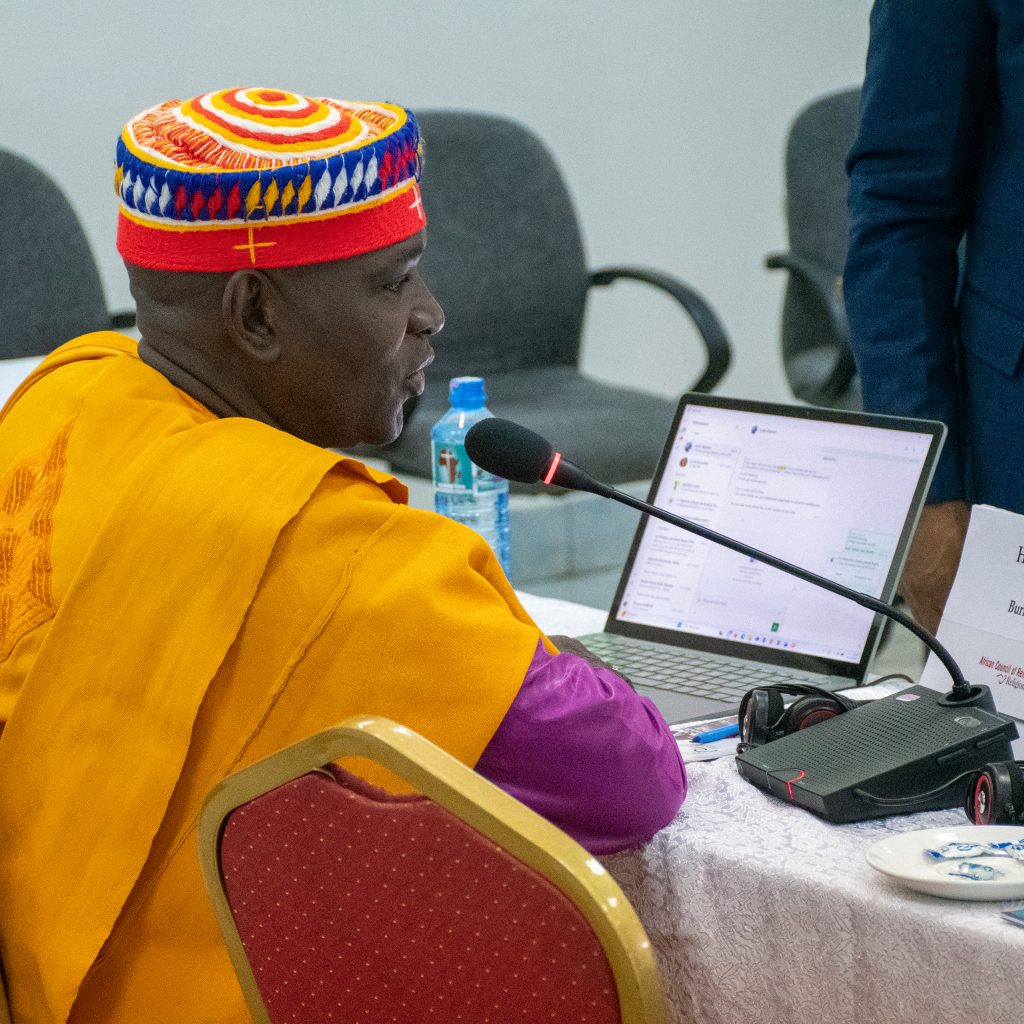
This is where faith actors, especially multireligious institutions, hold unique influence. ACRL-RfP has positioned itself at this intersection for almost 2 decades. The council continues to work with religious leaders, youth networks and women of faith to counter harmful narratives, promote factual understanding and soften the digital environment for those who experience stigma. Through joint programming with partners like FPCC and UNICEF. ACRL-RfP strengthens community health desks, trains leaders on digital responsibility, and supports safe spaces for public dialogue on HIV, gender justice and human dignity.
These interventions may look administrative from the outside, but their impact is deeply human. When a religious leader steps into a digital discussion with compassion and verified information, communities listen. When Interfaith Youth Networks challenge disinformation campaigns, harmful narratives lose ground. When Women of Faith speak publicly about dignity, rights and care, it becomes harder for stigma to survive unchallenged. This is measurable progress, not symbolic effort.
Underpinning these efforts is the broader framework of Shared Sacred Flourishing. It reminds societies that every person carries an inherent sacred worth and that our development systems function best when they reflect this truth. It is a worldview that aligns public health, digital integrity and community protection under one moral foundation. If each person possesses sacred dignity, then harming someone through digital violence is not only unethical or illegal. It violates the deeper understanding of a shared human bond. Health programmes, therefore, become more effective when they are grounded in this relational, value-centred approach.
ACRL-RfP integrates the Shared Sacred Flourishing by encouraging religious leaders to move beyond reactive statements and embrace a proactive commitment to safeguarding dignity across both physical and digital spaces. This involves practical training, narrative reframing and long-term partnerships with health and protection agencies. It also involves ensuring that people living with HIV are spoken about with accuracy, not suspicion, and with empathy, not judgement.
When digital spaces reinforce compassion, stigma weakens. When hateful content loses its audience, people come forward for care. When dignity becomes the organizing principle, communities are healthier and more resilient. This is what Shared Sacred Flourishing looks like in practice: a society where the spiritual, relational and scientific elements of health reinforce each other rather than compete.
World AIDS Day challenges us to reduce the distance between online hostility and real-world wellbeing. Digital violence harms both health and hope. Digital compassion protects them. Through steady commitment, ACRL-RfP and its partners continue to strengthen environments where truth circulates freely, people feel safe to seek help, and dignity is upheld as a shared sacred responsibility.